
In this guide
At a glance.
- Read the exposure guidance for the exact installed product, including the qualifications beside its stated limit.
- A revised schedule needs an explanation of how the roofer will handle the unfinished area.
- The decision to cover or correct exposed materials should come with findings for the affected area.
How long can roof underlayment be exposed? Start with the exact product’s instructions, then have the roofer assess the installation and weather conditions. A published UV-resistance period does not, by itself, establish that an unfinished roof will protect your home from rain.
During a roofing delay, you need two things explained: the material’s stated limits and the contractor’s plan for the unfinished area. A reassuring number on a brochure leaves the second question open.
The examples below show how to read that number and recognize when an installation assumption needs another look. You can use them to discuss the work from the ground, without trying to inspect fasteners, diagnose moisture or repair the roof yourself.
What the published day count actually describes
GAF’s March 2026 accessory announcement gives two examples: FT Solutions Premier UDL180 has stated 180-day UV resistance; FT Solutions Performance UDL90 has stated 90-day UV resistance.
The accompanying qualification matters just as much. GAF ties those claims to controlled laboratory UV testing, describes the products as water resistant rather than waterproof, and excludes their use as temporary roofs protecting property or possessions. These figures are specific to the named products.
A contractor citing an exposure period should be able to show you the full statement for the material installed. Keep the qualification beside the number when reviewing it. A cropped screenshot or a verbal summary makes it easy to miss what the manufacturer actually evaluated.
Then bring the conversation back to your house: what protection is in place during this interruption? The contractor’s answer should address the unfinished work and current conditions. Quoting the product accurately is a useful starting point, but it does not explain the entire job.
A closer look at the roof
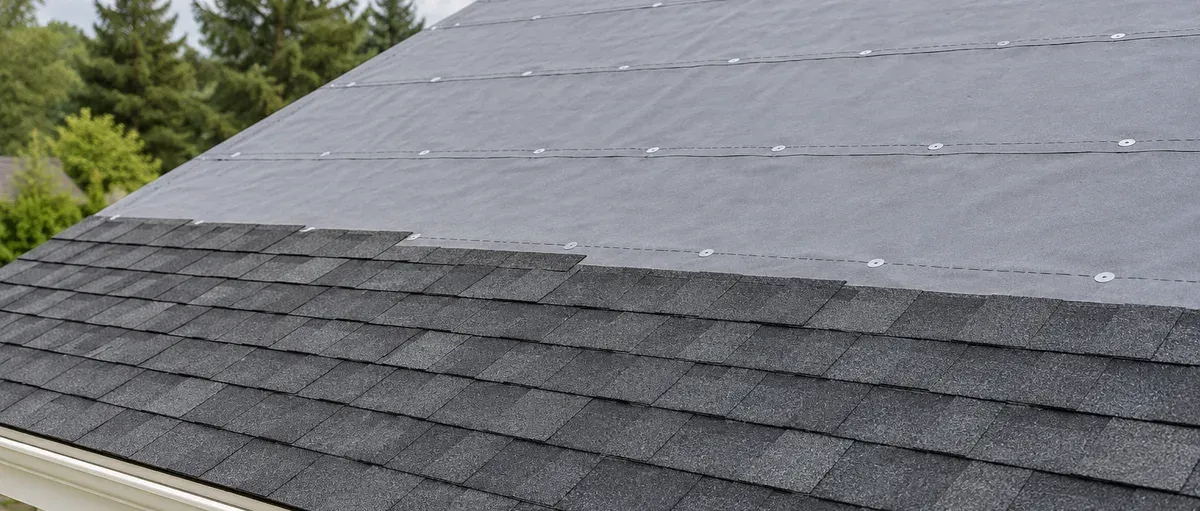
One roof section. Three different layers.
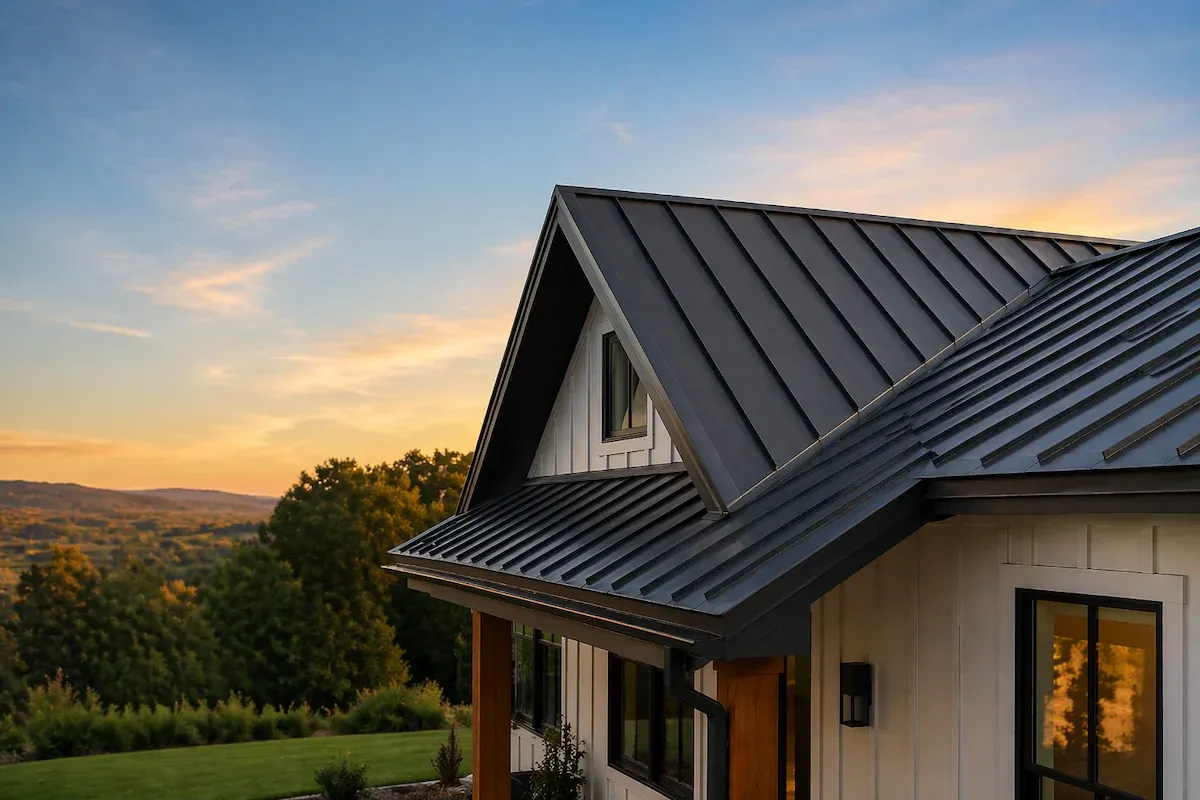
The outer covering, shown partly installed.
The sheet between the shingles and deck.
The supporting layer beneath the roofing.
Identify the product and the unfinished area
“It’s synthetic underlayment” is too broad an answer when you are checking a particular limit. You need the manufacturer, complete product name and applicable installation instructions.
The estimate can provide a starting point. Confirm that the named material was installed, and request the replacement product’s information if the crew made a substitution. Where different products were used, the explanation should identify their locations. One product name should not stand in for unidentified material elsewhere on the roof.
Packaging information, delivery details or a contractor’s photograph of the product identification can help resolve this without roof access. If the company cannot yet identify the material, that remains an open question. There is little value in debating an exposure figure before establishing which instructions apply.
The location needs similar precision. Find out which slopes remain without their final covering and when the material in those areas was installed. “The roof has been exposed” could refer to the whole project or one unfinished section. Naming the area lets you connect the explanation to the work you can see.
Finally, make sure the document provided names that same product and includes the relevant page or footnote. If a brochure and installation instructions appear to conflict, get the contractor or manufacturer to explain how they apply together. Choosing the more reassuring summary would leave the conflict unresolved.
When the original installation plan changes
GAF’s February 26, 2026 technical bulletin TAB-R-180 encourages plastic-cap fasteners. Its uncapped-fastener exception requires all four conditions:
- Code: Applicable codes are met.
- Timing: Roof covering is installed the same day.
- Weather: No rain, high winds or other adverse weather is expected before covering.
- Slope: The roof slope is below 6:12.
An overnight delay no longer meets that exception’s same-day condition. A changed forecast also warrants reassessment. This is a GAF-specific example, not a universal same-day covering rule. The bulletin also calls for correcting tears, wrinkling or shifting.
The installer needs to establish whether that exception was used. The delay alone does not establish damage, a code violation or a need for replacement.
Leave fastener identification and correction to the roofer. Their explanation should identify the applicable instruction and the response. If this bulletin does not apply, the actual product’s instructions still need to be addressed.
When the schedule changes
The same roof. A different situation.
The original plan
Covering completed that day.
After an overnight delay
That section is still uncovered.
A useful delay response goes beyond a return date
A new completion date answers when the crew expects to come back. It leaves several practical matters to resolve: who is responsible for the unfinished area in the meantime, what protection is planned, and what will be assessed before the covering goes on.
Get those answers from the person managing the job. If that person is waiting for advice from the manufacturer, clarify which question has been sent and what happens while the answer is pending. You should be able to distinguish a settled plan from a decision still being worked out.
Consider a hypothetical delivery delay. A crew finishes the main roof but cannot complete the garage slope because the remaining covering has not arrived. The useful discussion concerns the garage: its material, installation and proposed response to the delay. The completed main roof does not resolve the unfinished section’s questions.
A general assurance about the brand’s reputation or the crew’s usual practice is less informative than an explanation tied to that area. Equally, a recommendation to start over needs a reason. The extent of a proposed correction should follow the finding the contractor describes, rather than the homeowner having to guess what might be wrong.
If the roofer proposes additional work, have the affected location and reason explained before authorizing it. A clearly described correction is easier to evaluate than a vague instruction to “redo the underlayment.” This is a conversation about the proposed result, not an invitation to direct the crew’s installation methods.
After rain, the assessment has to address the affected materials
An answer about the underlayment should make clear what was examined and whether the underlying wood was considered where it could have been affected. Knowing which parts the contractor assessed is more useful than a general statement that the roof “looks fine.”
GAF’s May 2026 roof decking explanation warns that rain-wetted wood can absorb moisture or swell and needs to dry fully. It bases replacement on the wood’s integrity, rather than treating every reroof as a reason for replacement.
There is no drying-time estimate in this guide. The homeowner needs the contractor’s explanation of how readiness was determined for the affected area. A proposed return date alone does not provide that explanation.
The same standard of explanation applies whether the recommendation is to keep material or replace it. What was found, where was it found, and why does that finding support the proposed next step? The size of the repair is not a substitute for its rationale.
Where part of the area could not be assessed, have the contractor identify that limitation and explain what happens next. An unresolved condition should stay visible in the conversation rather than disappear into a general approval to continue.
Our decking and sheathing guide helps interpret a separate wood-repair line item. It explains how to distinguish the material and scope being priced from an allowance for work that may become necessary.
Report an interior leak as its own problem
If water enters during the interruption, tell the roofing company promptly where and when you noticed it. Describe the observation without assigning the cause yourself.
GAF’s June 2026 storm-damage guidance supports ground-level photos and documentation of visible interior leaks, with professional assessment for damage that may be difficult to see. It identifies professional tarping as a temporary response to an active leak.
Establish who will arrange the immediate response and whom to contact if conditions change. Leave roof access and temporary covering work to professionals. Ground-level photos can help show what you noticed; they cannot establish whether the underlayment is intact or ready to cover.
Our emergency roof repair guide addresses that immediate-response problem separately. A conversation about a product’s remaining exposure period should not leave the reported leak unanswered.
What a complete explanation should resolve
By the time the company proposes to resume, you should understand which material is involved, what instructions apply, what was assessed and why the proposed next action follows. That explanation may support continuing, correcting an identified condition or investigating further.
If two contractors disagree, compare the findings and instructions behind their recommendations. One may have examined an area the other did not, or they may be answering different questions. Have them explain the difference before treating the disagreement as a choice between a cautious opinion and a confident one.
The longest allowable exposure period is not the goal. The goal is understanding the condition of the unfinished work and the basis for covering it.
Compare local roofing listings
If you need another assessment, share the product information, unfinished area and explanation you have received. Compare companies on Roofer Directory, verify applicable licensing and insurance yourself, and request an estimate from companies you have checked.
For more preparation, read our contractor selection guide, storm inspection guide and roofing FAQ.
Published by RooferDirectory. Learn about our sources and methods, or suggest a correction.