
In this guide
At a glance.
- These figures come from our city/article reference model, not from contractor bids. The standalone calculator uses a narrower architectural-shingle band.
- Architectural asphalt is the baseline product in the model. Impact-rated (Class 4) shingles are a separate, higher installed band.
- Tear-off, permits, pitch, and access move the modeled total; actual local quotes can differ. Use the calculator for a home-size range, then get written local quotes.
- This page is asphalt-only. For every material side by side, use the national roof cost guide.
If you are replacing an asphalt shingle roof, you do not need a lecture on metal, tile, and slate. You need a planning range for this product, a way to see what usually sits outside the first number you hear, and a path to local quotes.
This page is that job. The dollars below are not scraped from other blogs. They are the asphalt bands from Roofer Directory’s planning model, a broader reference model than the standalone roof cost calculator. For every material on one page, use the 2026 roof cost guide. For Texas-only quotes, use the Texas replacement cost guide.
What an asphalt replacement actually buys
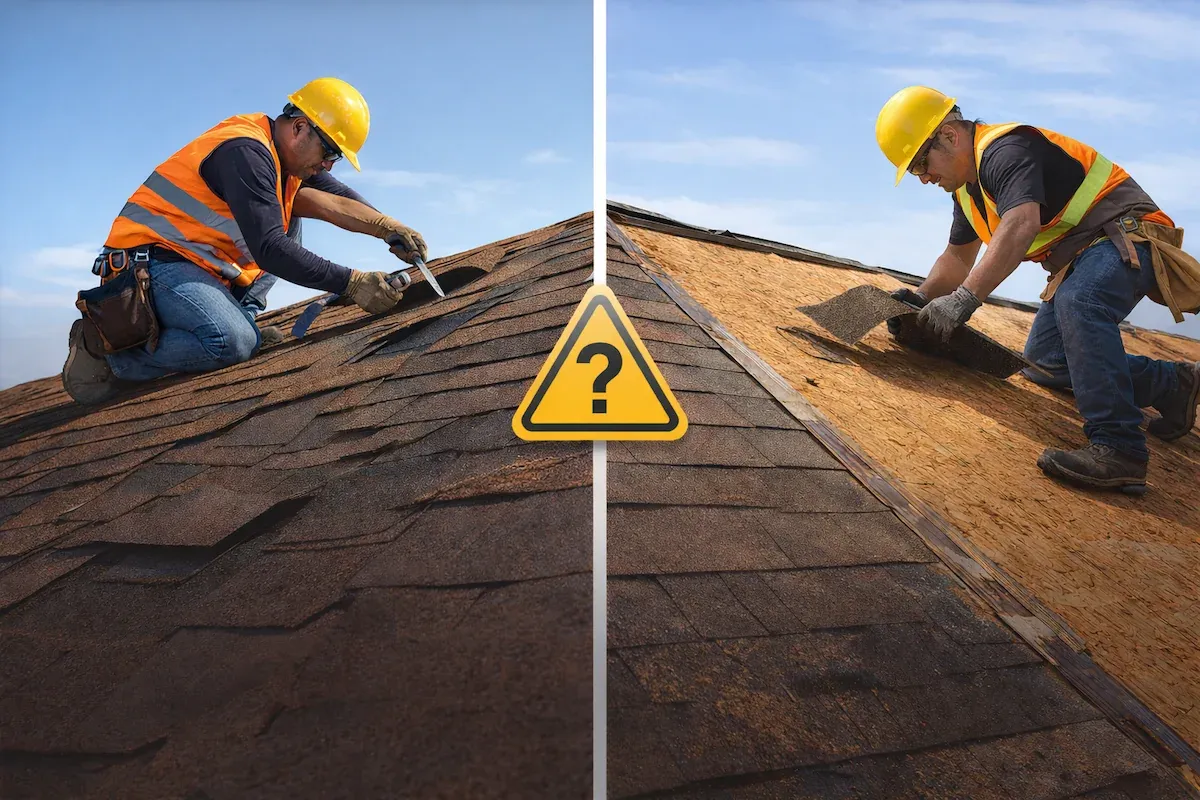
A full asphalt replacement is not “shingles plus a ladder.” A serious scope usually includes tear-off of the old layer (or a documented overlay if code allows), deck inspection, underlayment, flashing at walls and penetrations, drip edge, ventilation that actually works, and the new shingles plus ridge cap and starter.
If a quote is a single lump sum with no line items, you cannot compare it. Ask for the product name (not just “architectural”), the underlayment, whether tear-off is included, and how decking repairs are priced per sheet.
A roofing square is 100 square feet of roof surface. Contractors price that way because pitch makes roof area larger than the floor plan. Our article model estimates roof surface from living area, stories, and pitch. A tape or satellite measure on your house will still beat that estimate.
Planning ranges from the city/article model
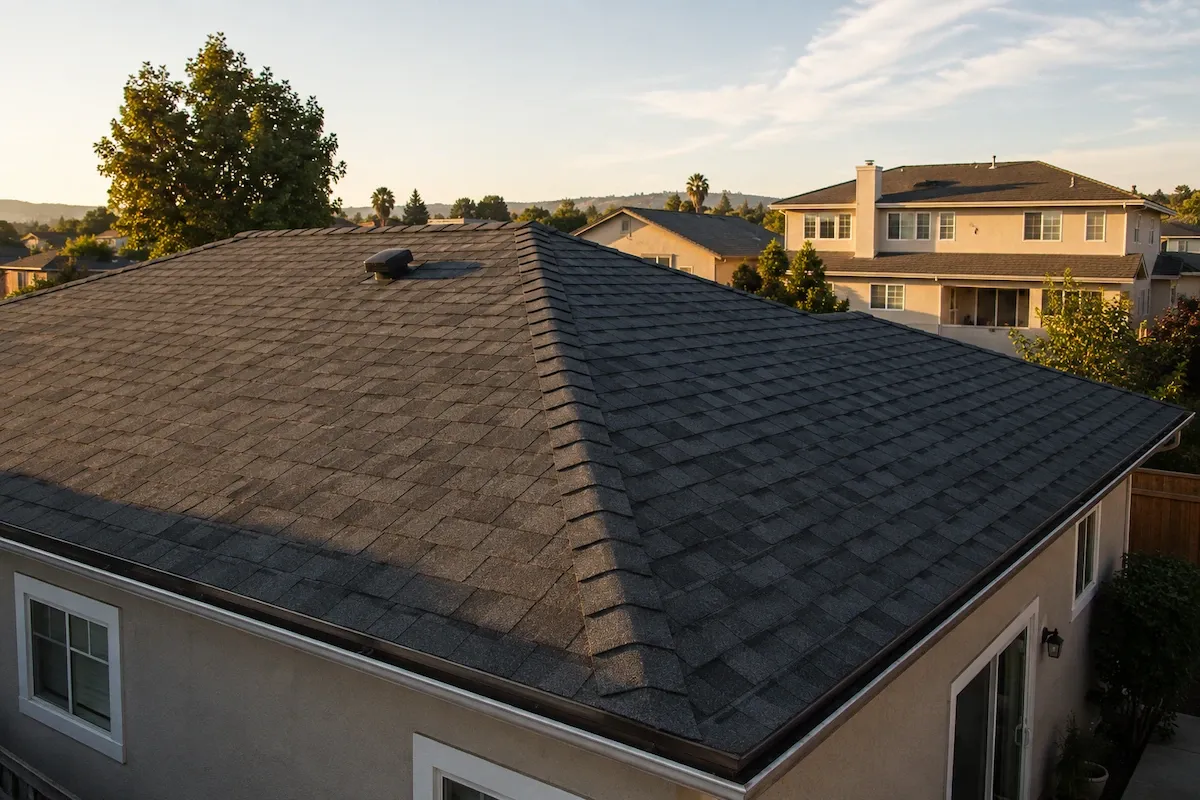
Architectural asphalt is the baseline in the model. Impact-rated (Class 4) shingles are the upgrade band. We do not publish a 3-tab installed band here. 3-tab is fading from new residential work, and it is not a product in the calculator. If a quote is still 3-tab, treat it as a different, usually shorter-lived product and compare it on warranty and wind rating, not against these architectural numbers.
| Asphalt product in our model | Installed low | Model midpoint | Installed high |
|---|---|---|---|
| Asphalt shingles | $2.50 / sq ft | $6.25 / sq ft | $10.00 / sq ft |
| Impact-rated shingles | $2.75 / sq ft | $7.38 / sq ft | $12.00 / sq ft |
Worked example from the same model: a 2,000 sq ft one-story home, standard pitch, full tear-off, national reference prices, architectural asphalt. Planning range $8,300 to $35,000 (midpoint $21,700) on about 2,300 sq ft of roof surface.
Tear-off (when needed) adds $1.00 to $5.00 per sq ft of roof in the model (typical $3.00).
All cities use the same national reference ranges. We do not apply an unsupported regional price multiplier.
For a separate, adjustable budget, use the roof cost calculator. You can enter measured roof area or estimate it from home size, stories and slope. It uses a narrower architectural-shingle band, so its result can differ from this table. Neither model applies a ZIP-based price multiplier. A model midpoint is not a local quote.
What usually sits outside the first number
Tear-off and dumpsters. Second layers, steep access, and long carries to the truck all add labor. If the old roof has two layers, most codes will not allow a third. Budget for a full tear-off.
Decking. Soft or rotten sheathing shows up after the old shingles come off. Per-sheet pricing in the contract beats a surprise change order.
Flashing and ventilation. Cheap quotes reuse rusty step flashing and skip intake at the soffits. That is how a new roof still leaks at the chimney and cooks in the attic.
Permits and inspections. The model includes a small permit allowance. Your city may charge more, or require a separate wind-mitigation inspection.
Season and storms. After hail, the same crew that was hungry in February is booked six weeks out. Prices follow demand. That is not in the national band. It is why you still get local quotes.
Architectural vs Class 4 (same material family)
Both are asphalt. Class 4 is about impact testing, not a different metal. UL 2218 rates shingles by the size of a steel ball they survive in a drop test. Class 4 is the top rating in that standard. It does not mean hail-proof. It means the product was tested to that protocol.
Some carriers discount the dwelling portion of a policy for a documented Class 4 roof. The discount is a carrier rule, not a national law. In Texas it is common enough that we cover the math in the Texas roof cost guide. Everywhere else: ask your insurer for the product list and the discount before you buy the upgrade.
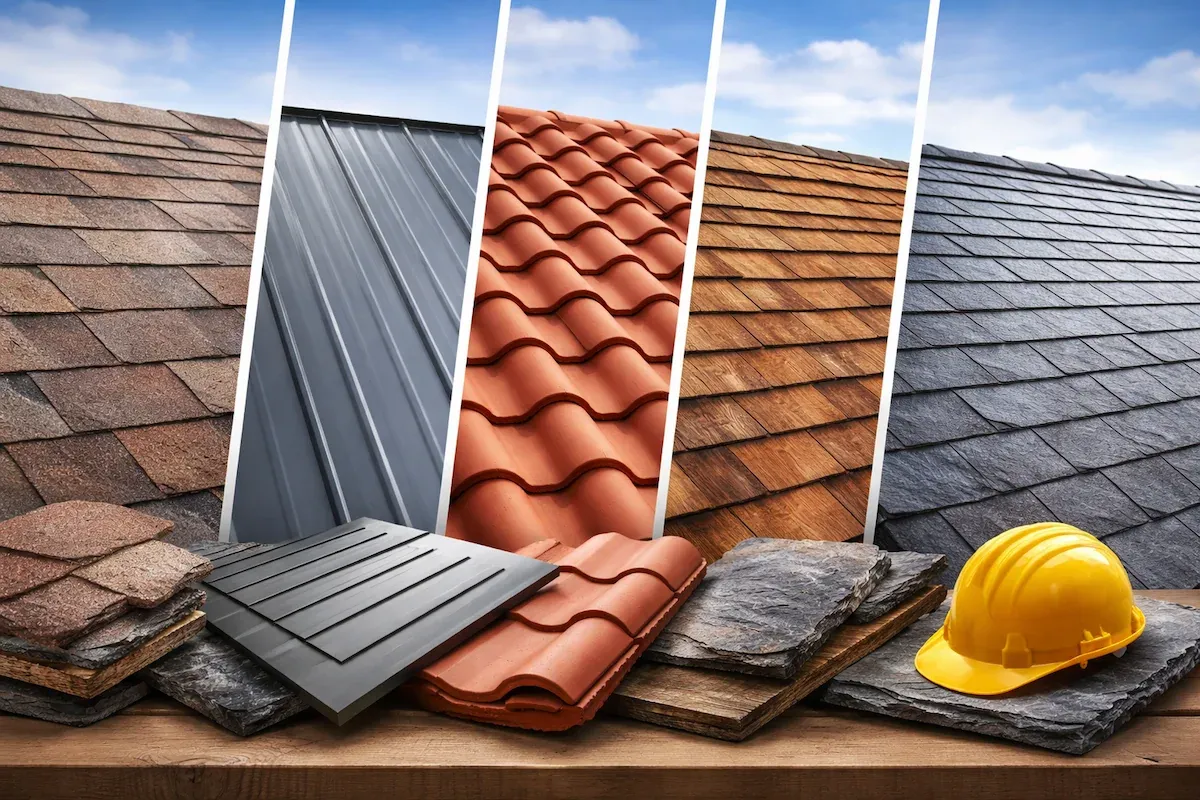
If you are choosing materials rather than pricing asphalt, the metal roofing cost guide is the comparison page. Do not use this URL to rank metal vs asphalt. That is a different job.
How to read two quotes without getting played
Line up product, underlayment, tear-off, flashing, ventilation, decking unit price, warranty (manufacturer vs workmanship), and start date. Ignore the contractor who is thousands low with no product name.
Compare listings near your ZIP on Roofer Directory, then verify licensing and insurance yourself. Storm season is when out-of-area crews show up. Our storm-chaser guide is the red-flag list. For whether a repair is even honest, use repair vs replacement.
Get two or three written estimates. Use the calculator range as a sanity check, not as a hammer to beat a careful crew down to the model midpoint.
Compare local roofing listings
You now have a planning range for asphalt, not a bid. Compare roofing company listings near your ZIP on Roofer Directory, then verify licensing and insurance yourself with your state or county board. Request an estimate from companies you have checked.
For more: how much a new roof costs, Texas replacement cost, metal vs asphalt, and the FAQ.
A few more answers.
How much does it cost to replace an asphalt shingle roof?
Use the planning table on this page. Those installed bands and the worked example come from Roofer Directory’s calculator model (version and date shown in the methodology box), not from a contractor bid. Your written quotes will move with roof size, pitch, tear-off, decking repairs, and local labor.
What is the difference between architectural and impact-rated asphalt shingles?
Architectural (laminated) shingles are the residential baseline in our model. Impact-rated shingles are tested to UL 2218; Class 4 is the highest rating in that standard. They cost more installed in the model. Some carriers discount premiums for Class 4 roofs. Confirm the product, the test rating, and any discount in writing with your insurer, not from a door hanger.
Does the national average include tear-off and permits?
Often it does not, or it buries them. Our model can include a tear-off band and a permit allowance. Always ask whether a quote includes tear-off, disposal, underlayment, flashing, ventilation, and permit fees as line items.
Should I use this page or the roof cost calculator?
This page explains the asphalt-only planning ranges. The standalone calculator lets you use a measured roof area, roofing squares, or a home-size estimate. It uses a narrower architectural-shingle range and different area assumptions. Neither model adjusts prices by ZIP. Compare the budget with written local estimates.
More questions? Browse the roofing FAQ & glossary.
Published by RooferDirectory. Learn about our sources and methods, or suggest a correction.