
In this guide
At a glance.
- ARMA's July 2026 guidance advises against applying coatings or rejuvenators to installed asphalt shingles.
- A treatment demonstration does not establish the condition of your roof or prove additional years of service.
- Ask for the exact product, relevant evidence and written scope before agreeing to a treatment.
Be cautious about roof coating for asphalt shingles. The Asphalt Roofing Manufacturers Association, or ARMA, advises against applying coatings or rejuvenators to installed shingles. Before accepting an offer, check the treatment with your shingle manufacturer and have the roof’s condition assessed.
The useful question is specific: what will this product do for this roof, and what supports that promise? A convincing demonstration, an attractive price and a treatment warranty answer different questions. This guide helps you separate them before you sign.
What the current guidance says
ARMA’s July 2026 technical bulletin explicitly covers both coatings and products marketed as rejuvenators. Calling a treatment a rejuvenator does not put it outside that guidance.
The association reports possible problems including curled or cupped shingles and loosened granules. Nonpermeable coatings can also seal gaps between shingles and contribute to moisture accumulation. It describes limited documentation supporting claims of longer life, energy savings or small-leak repair.
That is a caution about risks and evidence, not proof that every application produces damage. ARMA recommends checking the particular treatment with the shingle manufacturer, local building department and, when applicable, your homeowners association.
Why a commercial roof example doesn’t settle it
GAF’s January 2026 coating guide describes coating systems for suitable, structurally sound commercial low-slope roofs. Preparation includes repairs and dealing with wet materials. Its asphalt-shingle section separately advises against field-applied coatings.
If a presentation shows a warehouse roof being restored, ask whether the evidence also concerns your residential shingles. A successful project on another roofing system does not, by itself, answer that question.
Establish what your roof needs first
A roof contains more than the surface you can see. GAF’s roof-system overview places underlayment above the structural deck and beneath the shingles. Flashing and other components have their own jobs.
If you have a leak, ask for its source to be identified before discussing a surface treatment. GAF’s June 2026 leak guidance explains that the entry point may be away from the visible damage. It also distinguishes problems that may need a repair from those that may need replacement.
Keep your own observations on the ground and ask the professional for roof photos and findings. Write down any leak history, previous repairs and changes you have noticed. Our heavy-rain leak guide can help you organize those observations.
Ask the assessor to separate what they inspected from what remains concealed. A report that identifies the inspected areas gives you something to discuss; a general statement that the roof is “a good candidate” leaves the reasoning unclear.
Match the evidence to the promised result
Ask what “works” means in the proposal. A change in appearance, a laboratory measurement and additional years without replacement are different outcomes. Request evidence for the outcome you are being sold.
IBHS’s September 2026 aging research found substantial differences in aged shingle wind performance. Product, climate and the condition of shingle seals mattered. Initial wind classifications did not fully describe performance after aging.
That research was not a coating or rejuvenator trial. It neither proves nor disproves a treatment’s effectiveness. Its relevance here is narrower: roof performance involves more than a single property measured at one moment.
When someone presents a test, ask which shingle and treatment were tested, what was measured, how long the observation lasted and whether there was an untreated comparison. Then ask how those conditions relate to your roof. An unanswered question is a missing piece of evidence, not permission to fill the gap with a favorable assumption.
Read an offer one promise at a time
Consider this fictional sales line, invented to show the questions it leaves open:
“Restore your existing roof, extend its life and protect your investment with our treatment warranty.”
There is no product name, defined result or explanation of the work in that sentence. Ask the company to turn each phrase into something you can check.
“Restore your existing roof”
Restore which condition? Ask whether the proposal addresses a documented defect, changes appearance or applies a treatment to an otherwise functioning roof. Request a description of any repairs included before treatment and any findings outside the scope.
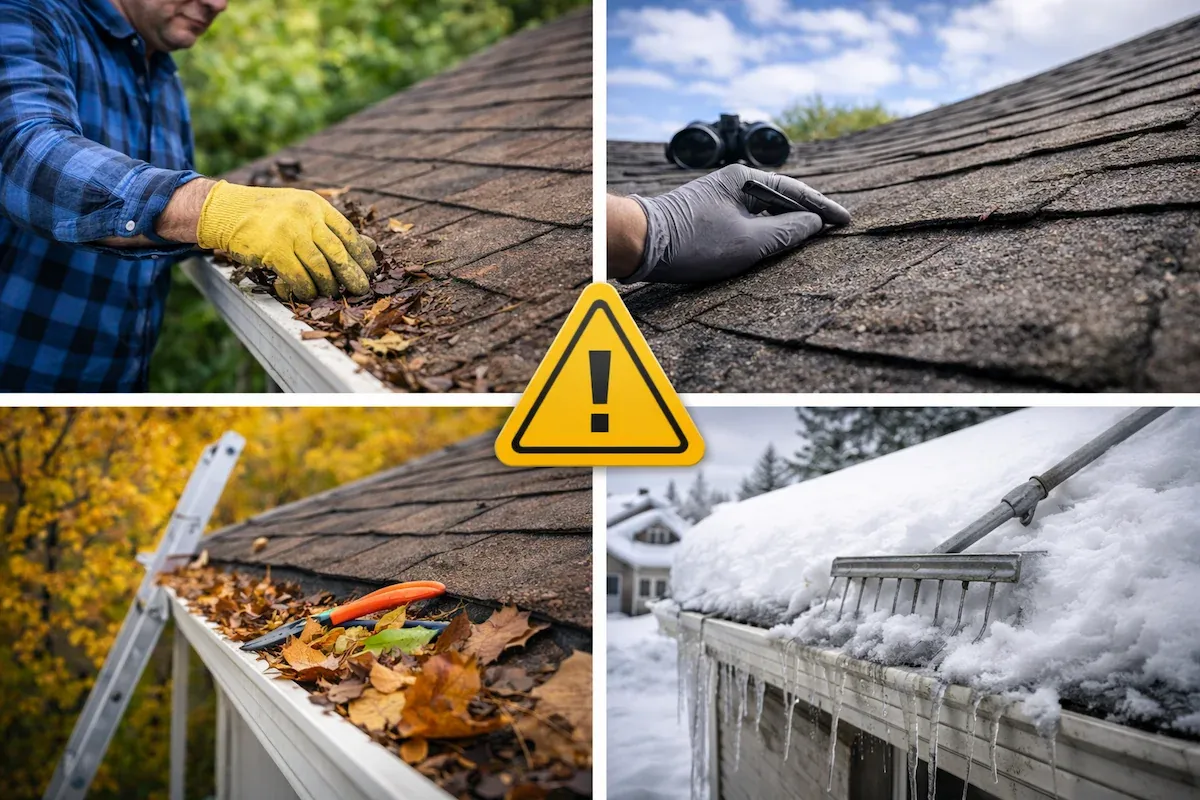
A photo can show the location being discussed. Ask the company to explain what the image demonstrates rather than treating a close-up as a complete assessment.
“Extend its life”
Ask how the claimed extension is defined. Does the offer refer to a particular test result, the treatment’s coverage period or the expected time until roof replacement? Request the basis for that specific statement in writing.
If the answer changes from “longer roof life” to “improved appearance,” pause and reassess whether that is the job you wanted to buy. You can decide that an offer no longer answers your original need without deciding every technical question yourself.
“Our treatment warranty”
Read the actual document. Identify who provides it, what condition triggers a claim, what remedy is offered and what you must do to maintain coverage. Ask whether another application would be included or separately charged.
Also check your existing shingle warranty with its issuer. GAF’s coating guidance notes that warranty terms vary. Do not assume either that a new treatment warranty replaces the original coverage or that every treatment automatically cancels it.
Make the written scope match the conversation
Tennessee’s May 2026 consumer guidance recommends contracts that identify materials, labor, allowances, changes, warranty information, payment terms and project dates. Those are useful headings for checking whether a sales conversation made it into the proposal.
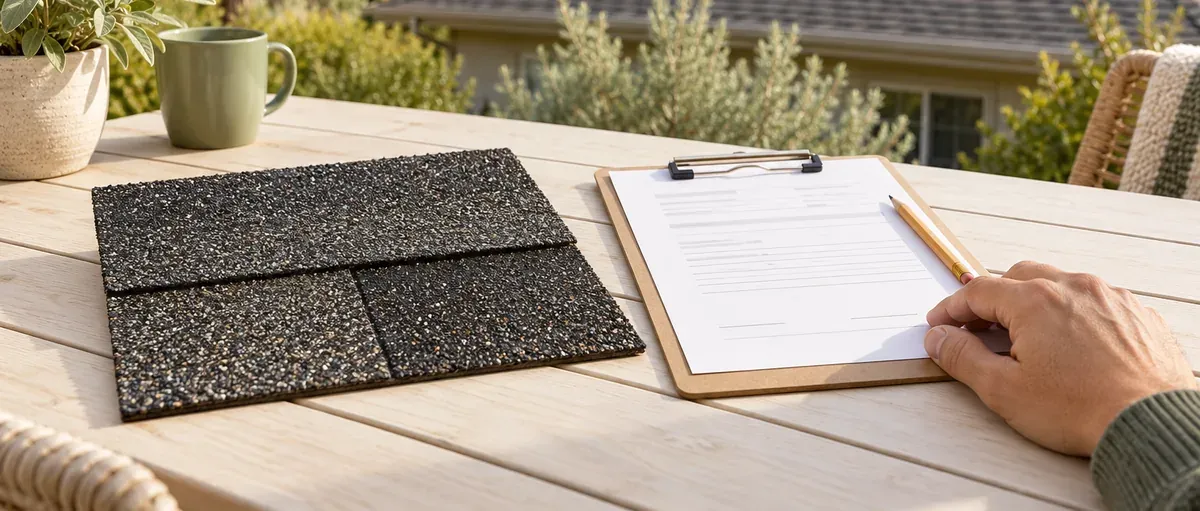
For a treatment offer, request the product name, preparation work, included repairs, treatment area, exclusions and any future work you would have to purchase. Keep the proposal, supporting documents and written answers together.
Suppose one estimate includes repairing an identified defect and another includes only treatment. Comparing their totals would compare different jobs. Ask for the work to be separated before deciding which offer answers your needs. The lower figure alone does not establish better value.
If the seller cannot identify what is included, request a revised proposal. You need a scope you can understand before you can judge whether its price is acceptable.
If the evidence is incomplete, pause
You do not have to choose between accepting a coating and immediately replacing the roof. Request an assessment that explains the existing condition and the reasons for any recommended work. If recommendations conflict, ask each company what finding supports its conclusion.
Keep three decisions separate: whether work is needed, what work is appropriate and which company should do it. A persuasive answer to the last question does not settle the first two.
For the broader repair decision, see our repair versus replacement guide. Return to the treatment offer only when you can connect its promised result to your documented need.
Compare local roofing listings
Bring the same condition and scope questions to each company. Compare roofing company listings near your ZIP on Roofer Directory, then verify applicable licensing or registration and insurance yourself. Connecticut’s April 2026 hiring checklist recommends requesting current insurance documents and checking that coverage is active.
Request an estimate from companies you have checked. Our contractor selection guide, maintenance checklist and roofing FAQ can help with the next conversation.
Published by RooferDirectory. Learn about our sources and methods, or suggest a correction.