
In this guide
At a glance.
- FORTIFIED covers how the whole roof is built, not just the shingles.
- Extra attention goes to roof attachment, water protection and edges.
- The official designation follows a separate review of the work.
A FORTIFIED roof combines specific storm-resistant roof details with an independent review. The program comes from the Insurance Institute for Business & Home Safety, or IBHS. It is available for new construction and reroofing.
For a homeowner comparing replacement options, there are two things to understand: what the roofer will build and how the completed work will earn the official designation. Both belong in the comparison.
Here, “regular roof” means a replacement that is not being submitted for a FORTIFIED designation. It does not mean a badly built roof. Compare the actual work in each proposal instead of judging by the label alone.
Three roof details that matter
IBHS identifies three key upgrades: stronger attachment of the roof deck, a sealed deck and firmly secured roof edges. The roof deck is the surface beneath the roofing. Think of it as the base that the roof covering sits on.
Stronger attachment helps keep that base in place. At the edges, the starter strips and metal trim help secure the roof’s outer edges. These details address parts of the roof that need to stay together when wind pushes and pulls at them.
The sealed deck provides backup water protection. If wind lifts or removes shingles, rain can reach the surface underneath. GAF explains how sealing that surface helps limit leaks when the shingles are damaged.
That is why the comparison goes deeper than the shingles you see from the driveway. The covering matters, but so does what remains beneath it if a storm damages part of the roof.
1. Roof attachmentHelps hold the roof deck in place.
2. Water protectionHelps limit leaks beneath damaged shingles.
3. Roof edgeHelps keep the roof edges secure.
A familiar-looking roof can have different details
The FORTIFIED name belongs to the completed, reviewed project. It is not a special shingle shape or color. Owens Corning’s program bulletin makes a useful distinction: choosing eligible products alone does not guarantee a designation. The whole roof system must meet the requirements.
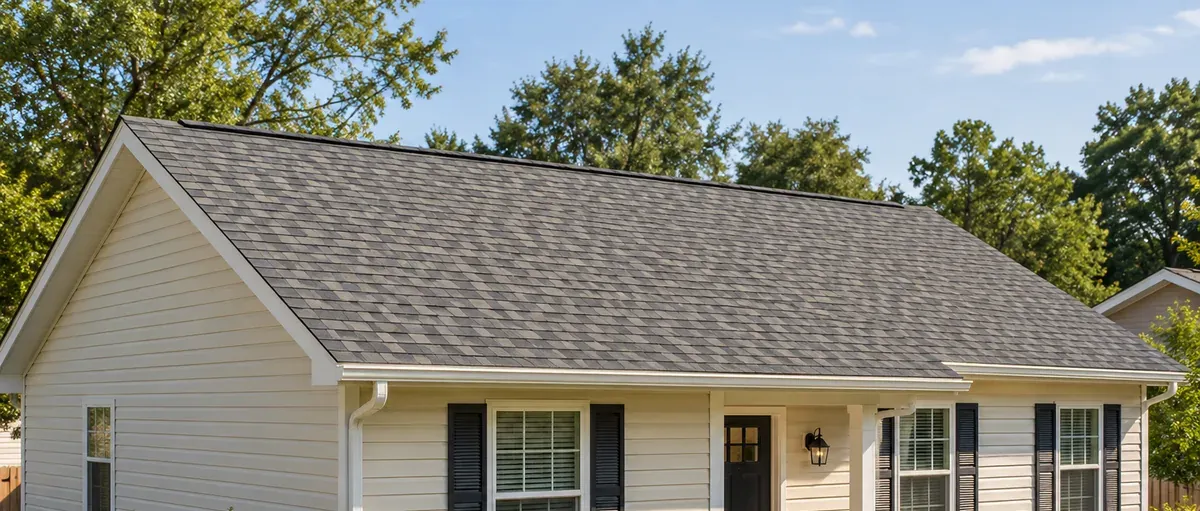
When you compare two roof samples, you are choosing an appearance. When you compare the two proposed jobs, look beyond that sample. A clear description should tell you what each price includes beneath the shingles and around the edges. Matching shingle names are a starting point for comparison, not the end of it.
The roofer builds it; a separate review checks it
There are three roles. The contractor follows the FORTIFIED requirements. A separate evaluator verifies the work. IBHS then issues the approved designation. GAF describes that sequence in its program overview.
The evaluator’s part is checking and documenting the work, not installing the roof. The roofer’s part is building it. Keeping those jobs clear helps explain why a roofing proposal and an official designation are different documents.
Builds the roof.
Checks and documents the work.
Reviews for designation.
Plan the upgrade before choosing the job
The project must meet more than a product list. Owens Corning also notes that eligibility criteria and documentation requirements apply. Confirm that your proposed project can qualify before treating the designation as part of what you are buying.
A useful first question is: “What would change on my roof, and who will arrange the evaluation?” That invites a concrete explanation without asking you to learn a construction manual.
Make this part of the early planning. Put the person responsible for the evaluation in the written proposal, along with what the roofer will do. You should not have to piece together who is handling which task after the job begins.
Compare the work and the complete price
Imagine two proposals for the same house. One lists a roof replacement. The other lists a replacement with a FORTIFIED designation. Before deciding what the second label is worth, have the two offers set out the included work side by side.
Look for the changes to the roof itself, the evaluation, and responsibility for completing the designation process. If an item is missing, get it explained. A short, clear description is more useful than a page of product names you cannot compare.
Keep any possible incentive separate from the price you are agreeing to pay. Compare the full project amounts first. Then consider a confirmed offer, if one applies to your home. This keeps an uncertain saving from making one proposal seem cheaper than it is.
If you are still deciding whether to replace the roof at all, start with our roof repair versus replacement guide. For help comparing the people doing the work, see how to choose a roofing contractor.
Find help with your roof replacement
Bring the same request to each roofer so you can compare clear descriptions of the work. You can browse roofing contractors on Roofer Directory or request a quote.
A few more answers.
Is FORTIFIED a shingle brand?
No. FORTIFIED is a building and reroofing program from the Insurance Institute for Business & Home Safety. It concerns how the roof is built and checked, rather than one brand of shingles.
Does choosing eligible shingles make my roof FORTIFIED?
No. Eligible shingles are only part of the project. The complete roof must meet the program requirements and pass the review needed for a designation.
Who issues the FORTIFIED designation?
IBHS issues the designation after approval. The roofing contractor does the work, and a separate evaluator verifies it.
Should I arrange the evaluation before roofing starts?
Yes. Make the evaluation part of your project plan from the beginning. Name who will arrange it so the roof work and the review are planned together.
Will a FORTIFIED roof lower my insurance bill?
Do not assume a discount. Incentives differ by location. Get any offer confirmed for your home before counting it toward the cost of the project.
How long does a FORTIFIED designation last?
The designation is valid for five years. It can be renewed if the renewal requirements are met. That is the term of the designation, not the expected life of your roof.
More questions? Browse the roofing FAQ & glossary.
Published by RooferDirectory. Learn about our sources and methods, or suggest a correction.