
In this guide
At a glance.
- Cold weather can delay initial sealing, but the cited guidance gives no universal waiting period.
- Ask your installer to assess the bond and identify the instructions for your exact shingle.
- Record the installation date, roof section and visible changes without climbing or lifting shingles.
- Get a named contact, a follow-up date and written findings for any unresolved concern.
For roof shingles not sealing after a new installation, ask the installer for a roof check based on the exact product. Cold weather can delay sealing: Owens Corning says its factory sealant needs the sun’s energy to activate. That does not give every roof a safe waiting period. Ask what the installer has checked and what should happen next.
You may have noticed uneven shingle edges from the yard. Or the roofer may have told you that part of the roof has not bonded yet. Those are different starting points. Be clear about which one applies when you call.
This guide starts after the roof is installed. It uses current Owens Corning guidance to explain sealing. It also gives you a way to track the roofer’s response. The record and message examples are editorial aids, not manufacturer inspection rules.
What sealing means, and why it can take time
In its April 2026 cold-weather bulletin, Owens Corning describes a strip of sealant applied at the factory. Energy from direct sun activates that strip so a shingle can bond to the row below it. This bond is the seal discussed here.
The bulletin names several things that affect activation: the home’s location, the roof’s slope, which direction it faces, and temperatures during and after installation. It also says cold-installed shingles may take longer to lie flat. A forecast for the whole town cannot describe all those conditions on your roof.
The document covers Owens Corning asphalt shingles in cold conditions, with air and surface temperatures at or below 40°F. That is the bulletin’s scope, not a universal temperature at which every shingle seals. Use the instructions for the installed product when asking the roofer about your own home.
Appearance and bond are separate questions
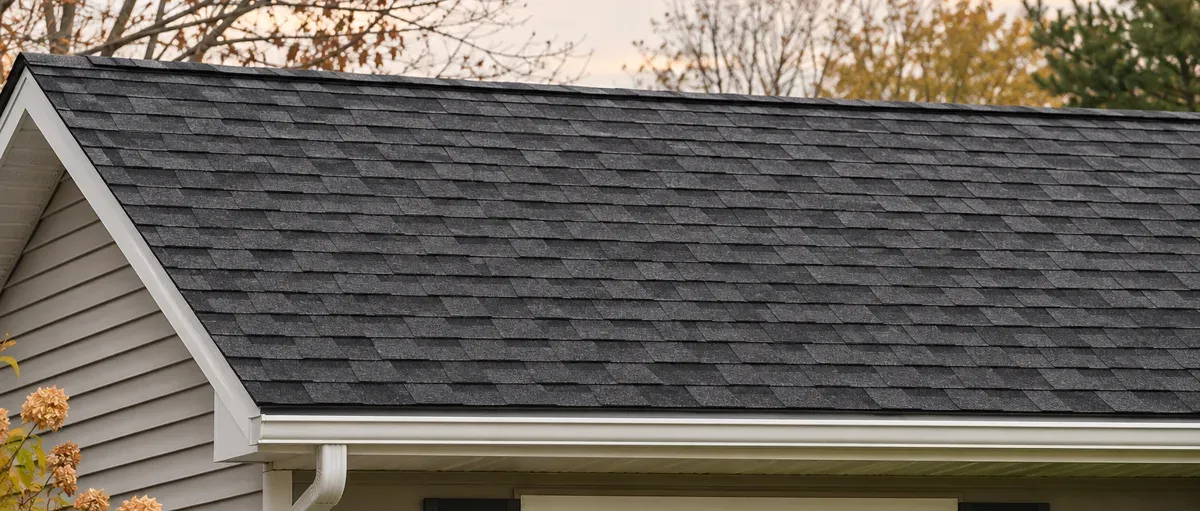
A shingle can look flatter. Whether it has bonded is a separate question for the roofer. This is our reading of the bulletin. It discusses sealing and lying flat separately. A photo can show the edge that concerns you; it cannot settle the bond question by itself.
When you describe the concern, say “the edges still look raised” if that is all you know. Use “the installer found unsealed shingles” only if someone has actually reported that finding. This keeps a note about what you saw from turning into a claim about the cause. The office and the crew need to know which it is.
Record what you can see without touching the roof
Start with the installation date and the product name from your contract or invoice. If the paperwork lists only a brand, ask the installer for the full shingle name. Save any report that already mentions sealing, including who made the observation and when.
Then identify the area in plain language: “above the garage,” “the front slope,” or “the side facing the backyard.” You do not need to measure roof pitch or guess a compass direction. If you are unsure, mark the spot on a photo taken from the ground and ask the installer to label it.
Keep the record short enough to use:
- What you noticed: Describe the visible edge or shape, or quote the installer’s finding accurately.
- Where and when: Note the roof section and the date of the observation. Keep dated photos together.
- Weather context: Record known installation conditions and later weather, without filling gaps from memory.
- What changed: Say whether the same area looks different in later photos, or whether you have no new view.
Do not climb up, lift tabs or try to test the seal yourself. This is a record for a conversation, not a home inspection procedure. Ask the roofer to provide the observations that require roof access.
As an example, “backyard slope, edges looked uneven on Monday; photo attached” is more useful than “the entire roof failed.” Leave the cause blank. The first note gives the installer a place to assess. The second claims a conclusion your photo does not establish.
Ask which instructions apply to your shingles
Next, connect the product, weather and work done. Ask the installer to name the right document and explain how it applies. A general answer such as “all shingles do that” leaves the central question open.
Owens Corning’s July 2026 Duration Series installation instructions give a concrete example. Their cold-weather precautions require hand sealing of perimeter shingles. The stated goal is to guard against wind uplift before the factory adhesive activates. These directions concern the named Duration products, not every asphalt roof.
“Hand sealing” means the installer uses the specified roof cement as directed by the manufacturer. It is not a reason to buy a tube and start adding adhesive. The April bulletin also warns that excessive roof cement can cause blistering. Leave the method and materials to a roofer working from the applicable instructions.
Ask these questions together:
- Which product is installed? Request the full name and the relevant instruction pages.
- What did you find? Ask which areas were assessed and whether sealing remains unresolved.
- What cold-weather steps applied? Ask the installer to explain the work performed and any remaining work.
- What should happen next? Request the reason for the proposed action or follow-up.
If your roof uses another brand, request that brand’s documents. Do not treat the Owens Corning example as proof that your installer followed, or violated, a rule. Even within one brand, match the document to the actual product before drawing a conclusion.
Turn “give it time” into a follow-up plan
The cited cold-weather bulletin does not give a fixed number of days for every roof to seal. Its list of activation factors is why a calendar answer alone is incomplete. Neither “wait a week” nor “wait until spring” should end the discussion without an explanation tied to your roof.
Ask whether the installer recommends any action now, what remains uncertain and how the next visit will resolve it. Agree on a contact and a follow-up date. That date is a service commitment you arrange with the roofer, not a manufacturer-backed sealing deadline.
Keep the reply alongside your photos. A useful record separates what you saw from what the roofer found, then names the next action. The sample below is an editorial organizer with blank findings; it does not describe an inspected roof.
You can adapt this message:
Our roof was installed on [date]. The shingles above [location] still look [description], and I have attached a dated photo. Please confirm the exact product and assess whether there is a sealing concern. Which installation instructions apply, what work has been completed, and what follow-up do you recommend? Please name our contact and the next review date.
If the roofer has already confirmed unsealed shingles, replace the description with that finding and its date. Ask for a new check. Make clear which photos are old and which are new.
After a visit, request a short written account of the area checked, findings, work done and anything still open. If the answer remains unclear, ask the installer to contact the manufacturer’s technical support with the product details and findings. Save that response with the job record. Do not let a missing answer quietly become “resolved.”
An older roof losing its seal needs a different check
This guide concerns initial sealing after installation. Do not apply that explanation automatically to shingles on a roof that has been in service for years.
In September 2026 aging research, the Insurance Institute for Business & Home Safety reported that unsealing was linked with greater wind vulnerability. Its study involved shingles weathered at sites in South Carolina, Wisconsin and Ohio; performance varied with product and exposure conditions. Those findings support taking bond condition seriously. They do not diagnose your roof or set a replacement age.
For an older roof, tell the roofer its known age and when the concern first appeared. Ask the roofer to check its current condition. Avoid assuming it is simply waiting for the same initial activation described for newly installed shingles.
What a useful answer should leave you with
A useful follow-up gives you the exact product, an explanation of what was assessed, and a clear next step for any open concern. You should be able to tell someone else what the installer found without guessing.
If you still have only “it needs sun,” ask what the roofer has checked. Which parts of the answer are known, and which still need a closer look? If someone says the shingles are defective, ask for the supporting findings and the manufacturer’s response. Neither appearance alone nor this article establishes a defect, a warranty outcome or the need to replace the roof.
Keep the dated records until the open items have a documented answer. The goal is simple: move from an unclear view of the roof to a product-specific answer and an agreed next step.
Compare local roofing listings
Start with the company that installed the roof. If you need another assessment, compare roofing company listings near your ZIP on Roofer Directory, then verify licensing with the relevant state or local authority and confirm insurance with the insurer. Request an estimate from companies you have checked.
For more help, read our roofing contractor selection guide and FAQ.
Published by RooferDirectory. Learn about our sources and methods, or suggest a correction.