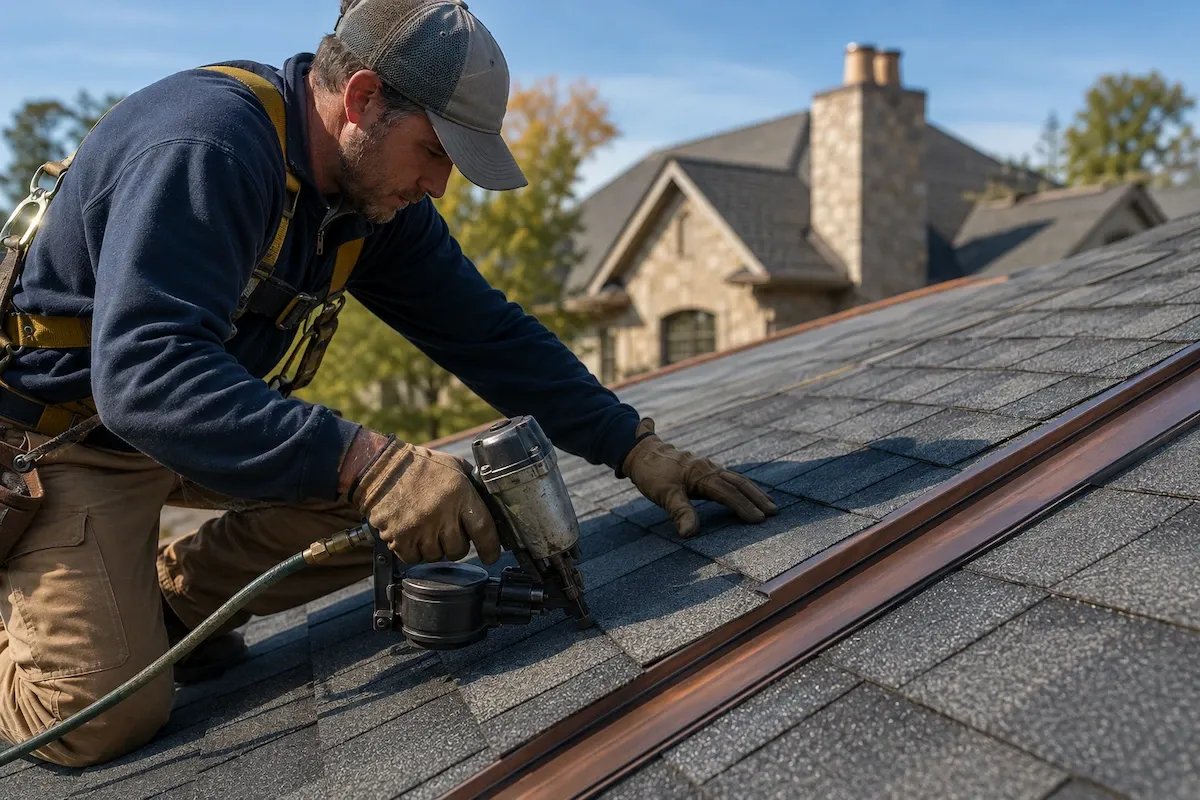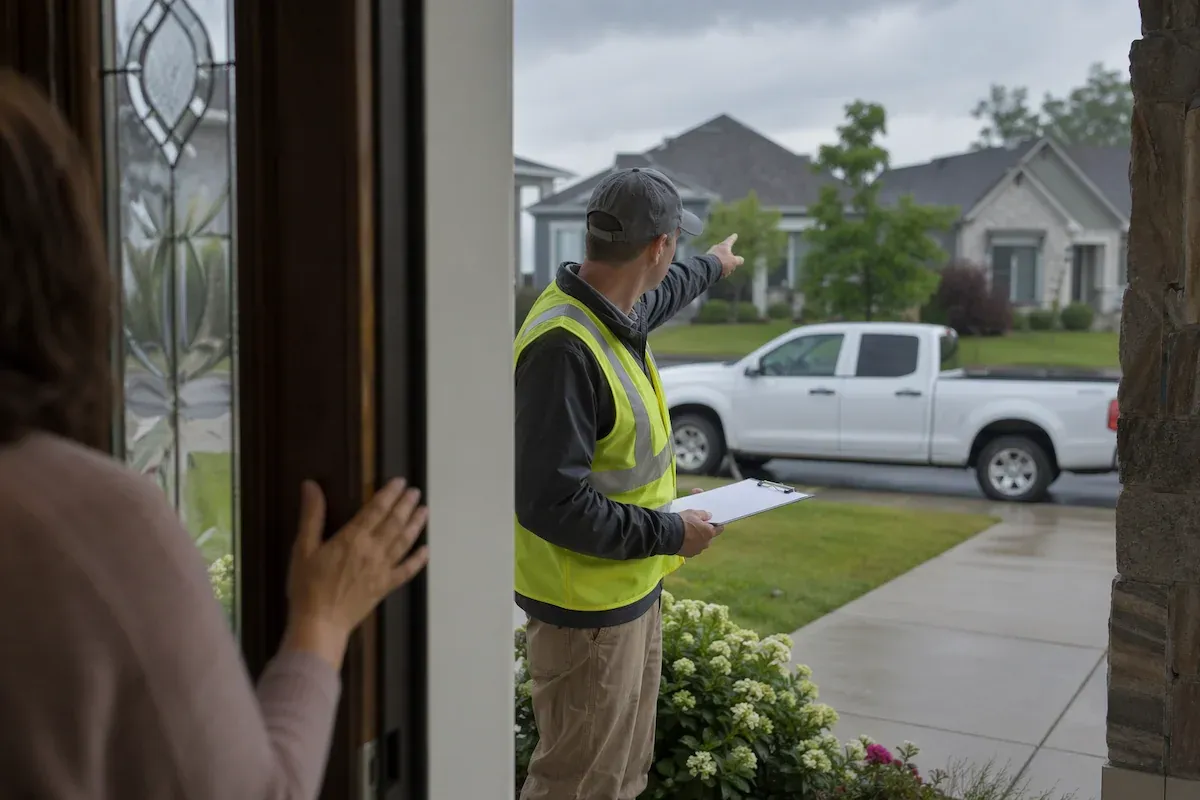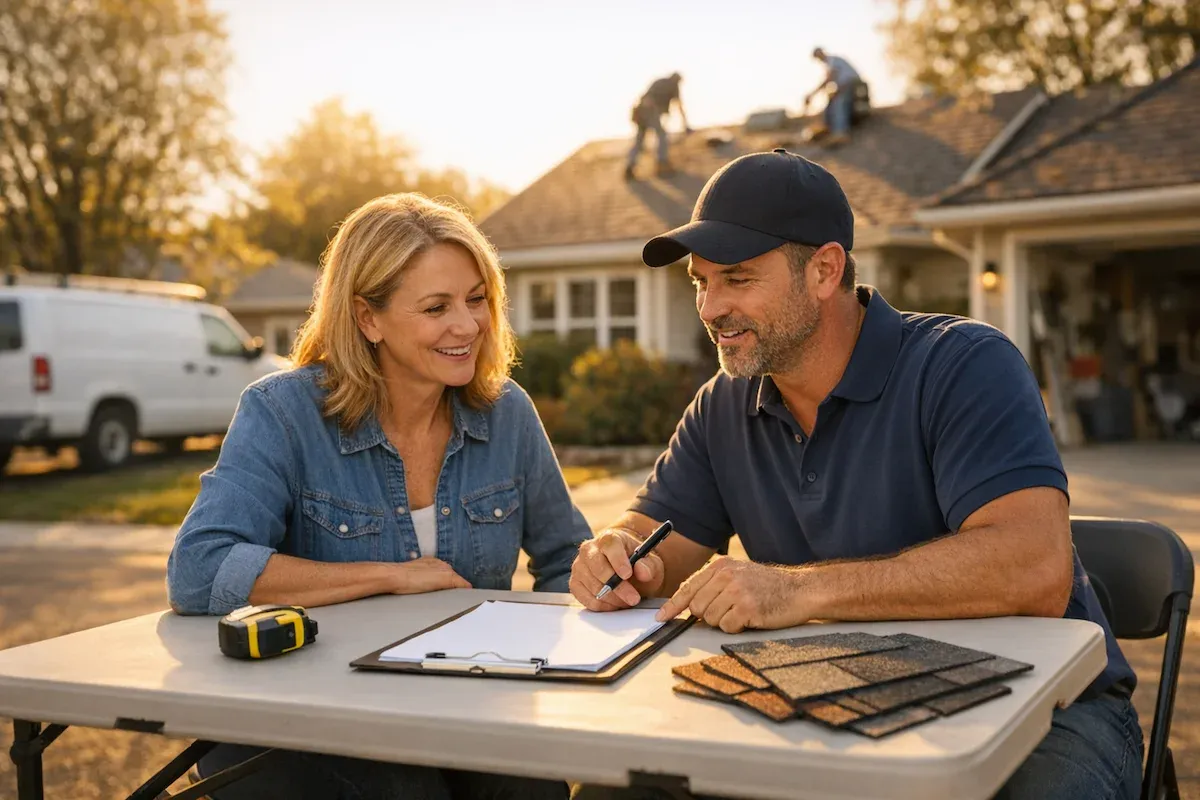
Hiring a roofer without checking credentials is one of the easiest ways to turn an expensive project into a legal and financial mess.
The challenge is that roofing licensing is not uniform across the United States. Some states require a dedicated roofing license. Some treat roofing as part of general contracting. Some rely on local city or county requirements. Some have different rules for residential and commercial work.
That means the right question is not “Are roofers licensed nationally?” The right question is “What does my state and local jurisdiction require, and can this contractor prove they meet it?”
Step 1: Get The Exact Legal Business Name
Start with the company’s legal name, not just the name on the truck.
Ask for:
- Legal business name.
- DBA name if different.
- Business address.
- License number.
- Owner or qualifying party name.
- Insurance certificate.
- Names of subcontractors if they will be used.
You need this information because license databases often search legal names, not marketing names.
Step 2: Check The State Licensing Board
Search your state contractor licensing board or consumer protection agency. Look for:
- Active license status.
- License type.
- Expiration date.
- Disciplinary history.
- Complaint history.
- Whether roofing is included in the license scope.
If you cannot find the company, ask the contractor to send the lookup link. A legitimate contractor should not hesitate.
Step 3: Check Local Requirements
State approval is not always enough. Cities and counties may require:
- Local contractor registration.
- Building permits.
- Roofing-specific permits.
- Inspection scheduling.
- Business tax receipts.
Call the local building department if the project is a full replacement, structural repair, commercial roof, or large insurance job.
Step 4: Verify Insurance Directly
Ask for a certificate of insurance, but do not stop there.
Call the agent or carrier listed on the certificate and confirm:
- General liability is active.
- Workers’ compensation is active or legally exempt.
- Policy dates cover your project.
- Roofing work is not excluded.
- The business name matches the contractor.
This matters because roofing is high-risk work. If a worker is injured and the contractor lacks proper coverage, the homeowner can be pulled into a dispute.
Step 5: Ask Who Is Actually Doing The Work
Many roofing companies sell the job and subcontract the crew. That is not automatically bad, but you should know who is on your roof.
Ask:
- Are employees or subcontractors doing the installation?
- Who supervises the job?
- Is the crew covered by insurance?
- Does the subcontractor have required credentials?
- Who handles warranty issues later?
The company named on your contract should be accountable for the work.
Step 6: Watch The Permit Conversation
For roof replacements, the contractor usually handles permits where permits are required.
Be careful if a contractor asks you to pull the permit as the homeowner. That can be a sign they are not eligible to pull permits, are avoiding accountability, or are trying to shift responsibility.
There are exceptions, but the contractor should be able to clearly explain them.
Step 7: Compare More Than One Roofer
Credential checks are one part of hiring. You should also compare:
- Written scope of work.
- Material brand and product line.
- Underlayment and ventilation details.
- Decking replacement terms.
- Cleanup and dump fees.
- Workmanship warranty.
- Manufacturer warranty.
- Payment schedule.
A low bid from a poorly verified contractor is not a bargain. It is a risk.
How Roofer Directory Fits In
Roofer Directory is a starting point for comparing roofing contractor listings by market. It shows public business data such as location, ratings, review counts, and contact details.
It is still your responsibility to verify licensing, insurance, permits, and project-specific qualifications before hiring. Use the directory to build a shortlist, then confirm the credentials directly.
For a broader hiring checklist, read how to choose a roofing contractor.
Compare Roofers After You Verify Credentials
Once you know what your state and local jurisdiction require, use Roofer Directory to build a shortlist of roofing contractor listings in your market. Then confirm licensing, insurance, permits, and scope directly before hiring. You can also request a free estimate when you are ready to compare written bids.
For more, read how to choose a roofing contractor, roof repair vs replacement, and the FAQ and glossary before signing a contract.